
The Shared World

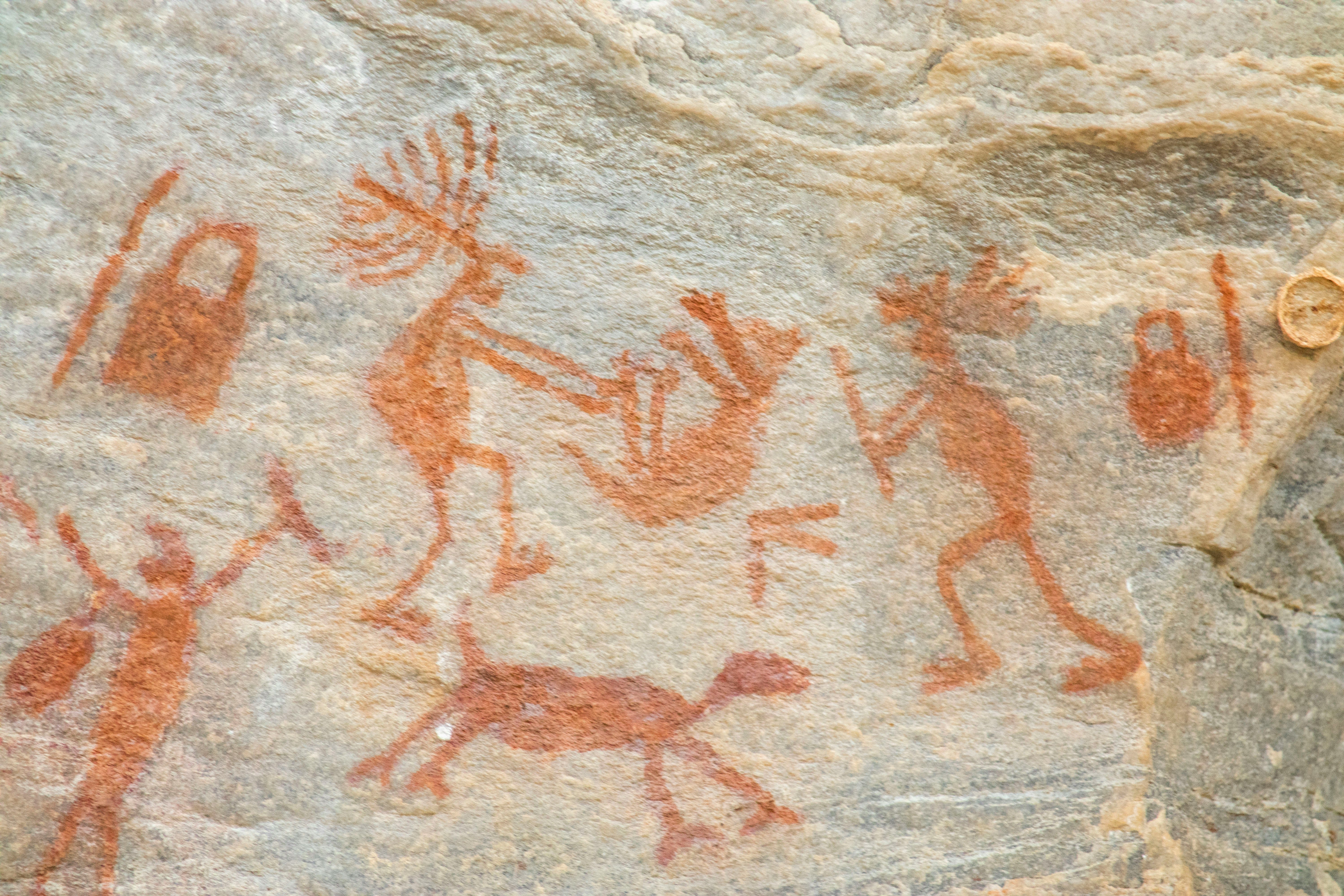
The Shared World
The first sign of civilization was not
a coin minted from precious metal
with the face of some long-gone leader,
not the coffer made to hold such gold.
The first sign was the currency
of kindness—a few berries offered
to someone in need, a hunk of meat
passed across the crackling fire. It was
the spark of flint given to a stranger
rubbing his hands, the matted pelt
of fur wrapped around a shivering
mother and child. Once it happened,
it kept happening again and again,
spreading like a positive contagion
among the members of every tribe.
There were still wars, still fools,
still cruelties too numerous to name.
But now, there was also this—
the shared world, the handful
of gathered mushrooms traded
for nothing more than the grateful
look on someone’s face, little
bow of thanks as he ate.
Others might have us think that we can trace the origins of human civilization to the invention of the wheel, the discovery of fire, or the development of language that gave us consciousness and the power to name. But what if the first true sign of our civilized nature was the inclination toward kindness and compassion for each other? What if the first evidence was the healed bone that showed one person cared enough about another to carry them away from danger, and tend to the break until it mended, bringing food and water to the injured, protecting them from the elements as they could not protect themselves? Our culture often perpetuates the myth of the brutal human, imagining us as driven by instinct and competition to survive and overtake each other. As Elise Powers points out in “The First Sign of Civilization,” which served as the seed for my own poem: “But we humans have a capacity for compassion that interrupts instinct.” Perhaps this pull toward empathy is part of the make-up of our authentic instinct, what sets us apart from the rest of nature. And so, we can imagine that the first sign of civilization was not the drawing of an animal on a cave wall in ochre, or the bones of some impossibly large kill from a successful hunt. It was the moral beauty of inviting a stranger from outside into the warm flare of a crackling fire, or wrapping a soft pelt around a shivering mother and child who lost their way. Maybe it was a few berries and an extra hunk of meat handed to someone clearly in need. But once the habit of kindness and mercy began to take hold, I can imagine it passing among the members of every tribe like a positive contagion, each person now chasing that inner glow that comes of giving love, offering abundance without expectation of reward or reciprocity. Maybe the first sign of civilization was not an alphabet or coins minted in precious metal with the face of some leader, but the handful of gathered mushrooms traded to a fellow traveler for nothing more in return than the grateful look of surprise on his face as he ate. As the poet Naomi Shihab Nye has put it: “This is the world I want to live in. The shared world.” Isn’t it our inheritance, after all, this shared world we help create when some inner compass arrow clicks, and we follow the true north of our compassion for each other?
Invitation for Writing & Reflection: Write your own version of this poem. Begin with the phrase, “The first sign of civilization was…” and see what unfolds for you.
If you enjoy these free weekly emails, please consider becoming a paid member below.
___________________________________________________________________________
If you feel moved to do so, please consider supporting the campaign below to help a man named Glen, who was incarcerated for a freak accident and spent 11 years in prison. He’s now faced with the daunting task of restarting his life, and every little bit helps to start his business and get him back on track:
https://www.gofundme.com/f/help-glen-rebuild-his-life-after-prison
photo credit: Photo by Vitor Paladini on Unsplash
The currency of kindness, more valuable than all the coins, stocks, investments some like to accumulate, a positive contagion in a shared world. thank you James xoxo
Lovely and inspiring.
Anthropologist Margaret Mead said the first sign of civilization in an ancient culture is a femur that had been broken and then healed. She theorized that in the animal kingdom, if you break your leg, you die because you are unable to run from danger, hunt, and survive. But a healed thigh bone is a sign that someone has taken time to care for the injured.
(It has been disputed that she actually said this or wrote it, but I’ll go with the sentiment anyway.)